













In today’s fast-paced world, the need for homes to adapt to our changing lifestyles has never been more pressing. Have you ever thought about how your living space could seamlessly transition between different functions? Enter the concept of flex rooms—these versatile areas are redefining modern homes by providing multifunctional spaces that cater to your daily needs. Whether you require a cozy reading nook, a productive home office, or an inviting guest room, flex rooms can transform to meet those demands.
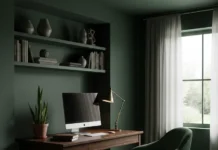
This article will delve into the innovative possibilities that flex rooms offer, exploring their design, functionality, and impact on your living experience. From creating home office and guest room combinations to designing play areas that evolve as your children grow, you’ll discover how to maximize your space while enhancing its aesthetic. Let’s embark on this journey to uncover how flex rooms can elevate your home life.
Understanding the Concept of Flex Rooms
Flex rooms serve as dynamic spaces that can easily adapt to your lifestyle. Unlike traditional rooms, which have a single purpose, flex rooms are designed for versatility. They can function as anything from a workout area to a guest bedroom, depending on your needs. This adaptability not only maximizes your living area but also allows for a more personalized approach to home design.
Understanding how to incorporate these spaces into your home can significantly enhance its functionality. Think about your daily routines—how often do your needs change? Flex rooms are the answer to creating a home that evolves alongside you.
1. Transforming Spaces: Home Office and Guest Room
Imagine stepping into a room that doubles as both a home office and a guest room. This combination is a game-changer for those who work remotely or host visitors frequently. By selecting convertible furniture, such as a Murphy bed, you can efficiently utilize the space without compromising style.
Incorporate desk arrangements that can be easily tucked away or reconfigured. For instance, side tables can serve as both work surfaces and nightstands. This dual functionality does not only save space but also fosters a welcoming environment when guests arrive.
When designing this type of flex room, prioritize comfort. High-quality bedding and inviting decor make all the difference in ensuring your guests feel at home, even if the room also serves as your workspace.
2. Creating Play Areas That Grow With Your Kids
As families evolve, so do their needs. A playroom can become a study space as children grow older. By designing a flex room with this in mind, you can create an area that transitions smoothly from a vibrant play zone to a focused study environment.
Consider incorporating modular furniture that can be easily rearranged. For instance, brightly colored storage bins can hold toys now and school supplies later. This flexibility not only maximizes your space but also teaches your children the importance of adaptability.
Moreover, adding elements like chalkboard walls or whiteboards can encourage creativity in younger children while serving as a practical study tool for older ones.
3. Multi-Functional Living Rooms
Living rooms often serve as the heart of the home, making them ideal candidates for multi-functional design. By integrating flexibility into your living space, you can accommodate various activities, from family movie nights to casual gatherings with friends.
Think about incorporating furniture that can be easily rearranged, such as ottomans that provide extra seating or coffee tables that can double as game tables. Additionally, creating distinct zones within the living room can help define each area’s purpose while maintaining a cohesive look.
Don’t overlook the power of decor. Use rugs and lighting to create atmospheres suited for different occasions, making your living room a truly versatile space.
4. Versatile Dining Areas
Dining rooms can also benefit from flex room design. Instead of being limited to formal dinners, why not create a space that can host everything from casual brunches to game nights?
Opt for extendable dining tables that can accommodate different numbers of guests. Pair these with stackable chairs or benches for added flexibility. By doing so, you can ensure your dining area remains functional and stylish, regardless of the occasion.
Consider incorporating elements like a bar cart or a small coffee station to make the space even more versatile, allowing for a seamless transition from dinner to dessert and drinks.
Final Thoughts: The Future of Home Design
As you think about your living space, consider how flex rooms can enhance your daily life. The ability to adapt areas of your home to meet varying needs not only maximizes functionality but also reflects your unique lifestyle. By embracing the concept of flexible living, you can create a space that is both practical and inviting. So, are you ready to transform your home into a dynamic living environment?