







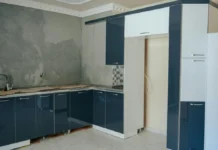








Improving your living space is an exciting journey that can transform your home into a more comfortable and functional environment. Yet, many homeowners find themselves overwhelmed by the complexities of remodeling. Have you ever wondered how to navigate this process smoothly? This article will guide you through the essential steps to ensure your home renovation is successful, covering everything from setting clear goals to managing budgets and understanding the timeline.
By the time you finish reading, you’ll feel empowered to make informed decisions and create a space that truly reflects your lifestyle and preferences.
Defining Your Home Remodeling Objectives
Before diving into any renovation project, it’s crucial to pinpoint your primary objectives. Are you aiming to modernize an outdated kitchen, or do you need more functional living areas? By clarifying your goals, you’ll set the tone for every subsequent decision.
Start by reflecting on what doesn’t work in your current setup. Is the lighting inadequate? Are the rooms cramped? By understanding these pain points, you can prioritize changes that will genuinely enhance your daily life.
Also, differentiate between what you need and what you desire. Focus on structural changes and layout before adding cosmetic upgrades. This strategy keeps your project grounded and effective.
Considering Your Lifestyle Needs
Think about how your family interacts with the space you have. For instance, growing families might need extra bedrooms or versatile living areas, while remote workers may require a dedicated office space.
Designing with your actual lifestyle in mind ensures that your remodeling project yields long-term satisfaction rather than fleeting visual appeal.
Planning for the Future
How long do you envision living in this home? If you plan to sell in a few years, focus on renovations that enhance resale value. Think along the lines of neutral finishes and open floor plans, as these often attract potential buyers.
Conversely, if this is your forever home, feel free to infuse your unique style while still prioritizing quality and durability.
Understanding Remodeling Expenses
Cost is often top of mind when considering home renovations. Expenses can fluctuate based on project scope, materials, labor, and the extent of structural changes. Setting a realistic budget from the start helps mitigate financial stress.
Begin by identifying your maximum expenditure. Request detailed estimates that outline costs for labor, materials, permits, and any possible extras. Transparent pricing is key to avoiding unexpected surprises later.
Preparing for the Unexpected
Home renovations can unearth unforeseen challenges. Issues like hidden water damage or outdated wiring might only come to light once demolition starts.
By reserving 10% to 20% of your budget for unexpected expenses, you can maintain financial flexibility. This cushion can keep your project on track even if surprises arise.
Choosing Materials Wisely
The materials you select will significantly impact your overall costs. While high-quality options may require a bigger upfront investment, they often save you money in the long run through reduced maintenance.
It’s all about finding a balance between cost and longevity. Opt for materials that offer both aesthetic charm and durable performance.
The Planning and Design Stage
Solid planning is essential for a successful remodel. This phase includes taking measurements, drafting layouts, and selecting materials. Depending on the scope, you might need to secure permits.
Effective communication with your contractor is imperative. Discuss timelines, expectations, and how your daily routine may be affected. Making final design decisions before the work commences helps avoid delays and costly changes later.
Understanding Permits and Regulations
Local building codes are in place for your safety. Projects that involve structural changes, electrical work, or plumbing typically require official approval.
Partnering with experienced professionals can ensure all necessary permits are obtained and inspections are scheduled properly.
What to Anticipate During Construction
When construction kicks off, the transformation process becomes tangible, but it can also be noisy and dusty. Demolition is usually the first step, clearing the way for new installations.
After any structural adjustments, the focus shifts to finishing touches like flooring and cabinetry. Each phase contributes to the overall result.
Managing Daily Life Amidst Renovations
Living in a home while it’s being remodeled can be challenging. Setting up temporary areas for cooking, sleeping, or working can help you maintain comfort.
Regular updates from your contractor can keep you informed about daily progress and upcoming tasks, reducing uncertainty.
Enhancing Energy Efficiency
Modern renovations frequently focus on energy efficiency. Upgraded insulation, high-performance windows, and new heating systems can lead to lower utility bills.
Incorporating energy-efficient appliances also contributes to long-term savings. These enhancements don’t just cut costs; they add to your property’s value as well.
Sustainable materials and eco-friendly design choices are increasingly popular as homeowners seek responsible options.
Avoiding Common Remodeling Pitfalls
Rushing decisions is one of the most common traps to fall into during a renovation. Taking your time to plan thoroughly can save you from expensive changes down the road.
Another frequent mistake is underestimating your budget. Without a contingency fund, even minor unexpected repairs can lead to delays.
Finally, while aesthetics are important, don’t overlook structural integrity and quality craftsmanship. These factors are crucial for the longevity of your investment.
Timeline Realities
Project timelines can vary widely based on complexity. Smaller updates might take just a few weeks, while extensive renovations could stretch over several months.
Factors like weather, permit approvals, and material availability can influence your schedule. Understanding these elements can help you remain patient and realistic.
Establish a clear timeline with your contractor and review the progress regularly. A combination of flexibility and solid planning leads to smoother outcomes.
Protecting Your Investment Post-Renovation
Once your project is complete, maintaining your improvements is key to ensuring they last. Follow the care instructions for new surfaces and appliances closely.
Regularly inspect plumbing and electrical systems to catch issues early. Addressing minor problems promptly can prevent more significant repairs later on.
A well-maintained remodel will continue to add comfort, efficiency, and value to your home for years to come.
Building Confidence in Your Remodeling Journey
While home remodeling is a significant undertaking, it doesn’t have to be a source of stress. With clear objectives, practical budgeting, and expert guidance, the process can become much more manageable.
Thoughtful planning transforms outdated areas into functional, beautiful living spaces. By grasping costs, timelines, and expectations, you can make educated choices at each step of the way.
Armed with this knowledge, you’re ready to embark on your home transformation journey with confidence.