
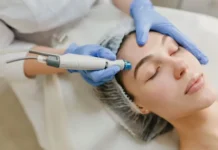


















Are you struggling with skin issues like acne, dryness, or signs of aging? Perhaps you’ve noticed pigmentation problems or just want to revive that dull complexion. If so, chemical peels might just be your ticket to healthier, glowing skin. These treatments are celebrated as effective solutions, often showing rejuvenating results after just one session. However, with a variety of peels available, it’s essential to understand their differences and how they can impact your skin. In this article, we’ll take you through the ins and outs of chemical peels, helping you choose the right one for your specific needs.
### Understanding Chemical Peels
So, what exactly is a chemical peel? At its core, it’s a treatment designed to exfoliate and rejuvenate the skin by applying a chemical solution. This procedure targets the outer layers, promoting shedding and renewal. Depending on the type of peel used, the depth of this exfoliation can vary, affecting how it addresses specific skin conditions like sun damage, acne scars, or uneven pigmentation.
Chemical peels utilize various acids, including alpha-hydroxy acids (AHAs) like glycolic acid, and beta-hydroxy acids (BHAs) like salicylic acid. Each type has unique properties, making them suitable for different skin types and concerns.
### Why Consider a Chemical Peel?
You might wonder, “What benefits can I expect from a chemical peel?” Here are some compelling reasons:
With these benefits, it’s no surprise that many people turn to peels as part of their skincare routine.
### Exploring Light Acids
Light acids are commonly used in superficial peels. These treatments gently exfoliate the skin’s surface without significant downtime. They’re great for brightening a dull complexion and making your skincare products work better.
#### Lactic Acid
If you have dry or sensitive skin, consider lactic acid. It’s a mild AHA that helps dissolve dead skin cells while also providing hydration. This means your skin can look smooth and refreshed without feeling stripped of moisture.
#### Tranexamic Acid
This isn’t your traditional peel acid, but it’s gaining traction for its ability to correct pigmentation. Tranexamic acid calms the processes that lead to discoloration, making it especially beneficial for conditions like melasma. It’s gentle enough for sensitive skin and can be integrated into various treatment protocols.
### Diving Deeper: Types of Chemical Peels
As you consider your options, it’s essential to know there are several types of chemical peels available:
#### Alpha Hydroxy Acids (AHAs)
Glycolic acid, one of the most popular AHAs, excels at rejuvenating the skin by removing its outermost layers. It’s particularly effective for addressing fine lines and uneven skin tone.
#### Beta Hydroxy Acids (BHAs)
Salicylic acid, a well-known BHA, is perfect for oily or acne-prone skin. It penetrates deep into pores, effectively tackling acne and reducing inflammation.
#### Medium Chemical Peels
Medium peels, often using trichloroacetic acid (TCA), provide a more intensive treatment by reaching deeper skin layers. These peels can significantly improve skin texture and tackle issues like pigmentation and aging signs. However, they require a longer recovery period, typically around a week.
#### Pheonal Peels
For more severe skin concerns, phenol peels are considered the most intensive option. While they can yield dramatic results, they also require careful consideration and extensive downtime, often taking weeks for full recovery.
### Choosing the Right Practitioner
One of the most crucial elements of a successful chemical peel is the professional performing it. A qualified dermatologist or aesthetician will assess your skin type and needs, ensuring you receive a peel tailored specifically for you. This personalized approach is key to achieving safe and effective outcomes.
### Frequently Asked Questions
#### 1) Who is a phenol peel suitable for?
Phenol peels are best for individuals with severe sun damage or deep wrinkles. However, they aren’t suitable for sensitive skin types.
#### 2) How long does recovery take after a phenol peel?
Recovery can take several weeks, with full healing often requiring six weeks or more.
#### 3) Are phenol peels the most effective option?
While they are aggressive, effectiveness varies based on individual skin concerns and needs.
#### 4) What risks are associated with phenol peels?
Potential risks include prolonged redness, swelling, and scarring, making expert supervision vital.
#### 5) Can phenol peels be performed outside a medical setting?
Absolutely not. These peels should only be done by qualified professionals in a medical environment to ensure safety.
Understanding chemical peels and their benefits can unlock the door to vibrant skin. Whether you’re looking to tackle acne, pigmentation, or signs of aging, there’s a peel that can help you achieve your skincare goals.