
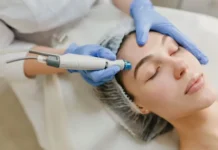



















Understanding perioral dermatitis can feel overwhelming, especially when your skin suddenly reacts in ways you never anticipated. You might notice some redness, dryness, or small bumps that just don’t quite resemble acne. Then, as if out of nowhere, your skin becomes tight and more sensitive. If you are seeking effective perioral dermatitis treatment, you’re not alone in this journey. This article will guide you through the ins and outs of this frustrating condition, focusing on its causes, effective treatment methods, and common misconceptions.
Let’s dive into the essentials of perioral dermatitis: what it is, what triggers it, and how to navigate your skincare routine to bring your skin back to balance.
What Is Perioral Dermatitis?
Perioral dermatitis is an inflammatory skin issue that primarily affects the area around your mouth and sometimes extends to the nose and eyes. You might observe symptoms like redness, dryness, flaking, and small, inflamed bumps, often accompanied by a burning sensation. Unlike typical acne, these breakouts appear uniform and reactive. This condition signals that your skin is out of sync, indicating a deeper issue rather than just a simple rash.
What Triggers Perioral Dermatitis?
The causes of perioral dermatitis are multifaceted and often stem from a combination of factors rather than a single issue. Common triggers include:
Most people might think of this as merely a skin condition, but it’s often the result of cumulative stressors placed on the skin over time. Clinical research supports the notion that inflammation and barrier disruption play significant roles in this condition.
What Many People Overlook
A surprising fact about perioral dermatitis is that it often arises from over-treating your skin rather than neglecting it. You may be using high-quality products and following expert advice, yet still find your skin reacting negatively. Over time, your skin can become overwhelmed, leading to a weakened barrier and increased inflammation. This is when signs of reactivity begin to emerge.
Common Missteps in Managing Your Skin
When dealing with perioral dermatitis, it’s essential to avoid aggressive treatment methods. Here are some common mistakes that can exacerbate the condition:
If any of these sound familiar, it’s time to rethink your approach. Pushing harder often leads to more reactivity, rather than the relief you seek.
Effective Treatment Strategies for Perioral Dermatitis
To effectively treat perioral dermatitis, the focus should be on restoring your skin’s barrier and calming inflammation. This means simplifying your skincare routine and removing irritants. Here are some steps to consider:
Remember, healing is not instantaneous, but it is certainly achievable.
Your Path to Skin Recovery
When your skin is reactive, the goal should be stabilization rather than correction. Here’s how to achieve that:
Your skin craves stability, not intensity.
Why Perioral Dermatitis Is Often Misidentified
It’s common for perioral dermatitis to be misdiagnosed as acne, rosacea, or eczema. Unlike acne, it typically doesn’t have pus. Unlike eczema, it remains localized. And unlike rosacea, it clusters specifically around the mouth. This is crucial because accurate diagnosis leads to effective treatment.
Frequently Asked Questions
What is the quickest way to address perioral dermatitis?
The fastest approach involves removing triggers and simplifying your skincare routine. However, genuine healing requires time and consistency.
Should I halt all skincare products?
Not entirely, but you should limit your products to gentle, barrier-supporting options.
Can moisturizers worsen perioral dermatitis?
Indeed, heavy or occlusive products can exacerbate flare-ups, so opt for lightweight formulations that aid in barrier repair.
Is there a hormonal connection to perioral dermatitis?
Hormonal fluctuations can be a factor, but they are seldom the only cause.
Can dietary choices impact perioral dermatitis?
Absolutely. Factors like inflammation, sugar intake, and gut health can significantly influence flare-ups.
Is it safe to use retinol or acids during a flare-up?
Not during a flare. Introduce these products slowly once your skin is stable.
Will perioral dermatitis resolve on its own?
Sometimes yes, but without addressing the underlying triggers, it’s likely to return.