













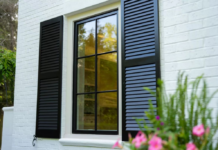






In February 2026, a home in East Nashville fetched an impressive $675,000, while the median sale price for the Nashville metro area was $475,000, revealing a striking $200,000 difference. Curious about what drives such disparities in property values? The answer lies not just in location but also in how homes are designed and maintained. The moment potential buyers step inside, they start evaluating finishes, layouts, and overall upkeep. This article delves into the factors contributing to the rising home prices in Nashville, particularly in its trendier neighborhoods.
Let’s explore how design impacts home values, the dynamics of Nashville’s housing market, and what today’s buyers are truly looking for in their next home.
Understanding the Price Disparity in Nashville Homes
While it’s no secret that location plays a crucial role in determining property values, it’s only part of the equation. The significant gap in sale prices often reflects what buyers notice immediately upon entering a home. Recent data indicates that East Nashville has a median sale price of $580,000, positioning it as one of the city’s more expensive neighborhoods. However, the allure of a property extends beyond just its address; it encompasses the aesthetic appeal and quality of the home itself.
Emerging Trends in a Slowing Housing Market
The Nashville housing market is witnessing a cooling trend. According to projections from JVM Lending for 2026, December 2025 saw approximately 11,400 active listings, marking a 13% rise from the previous year. With homes lingering on the market for an average of 70 days—12 days longer than the prior year—buyers now have more options and leverage in negotiations. However, neighborhoods such as East Nashville, Green Hills, and 12 South tell a different story, maintaining a strong 98% sale-to-list ratio, indicating that homes here are still selling close to their asking prices.
The Impact of New Residents on Buyer Preferences
Nashville has seen a surge of 136,000 new residents from 2020 to 2024, a growth of 6.4%, according to the U.S. Census Bureau. This influx is largely due to major employers like Oracle and Amazon expanding their operations in the area. Many newcomers are drawn to homes with modern finishes and thoughtful layouts, reshaping what buyers seek. A report from Williamson Source forecasts a shift towards warmer tones and natural materials, moving away from the cold grays that once dominated Nashville’s aesthetic.
What Modern Buyers Desire in Home Design
Design professionals are observing a clear evolution in buyer preferences. Instead of opting for all-white kitchens and bland neutral tones, today’s buyers lean towards natural wood, stone, and unique finishes that add personality. Designers like Justin Orton and Brad Ramsey note a growing preference for warm taupes and muted terracotta colors. Moreover, the emphasis on transitional architecture is becoming increasingly popular, allowing homes to blend both modern and traditional styles seamlessly.
Distinguishing Trends from Lasting Value
While aesthetic appeal certainly attracts buyers, it’s crucial to remember that looks alone don’t determine a home’s long-term value. Providence Interiors describes the current shift in design as «less minimal and more meaningful.» Buyers are encouraged to look beyond trendy finishes and consider the quality and integrity of the property. In neighborhoods known for their character, like East Nashville, homes that embody unique design elements consistently command higher prices than similar properties with outdated features.
The Future of Home Design in Nashville
Looking ahead, Nashville remains a hot spot in the Mid-South for buyer activity, as highlighted by Knight Frank’s 2026 U.S. Cities Prime Index. The influx of professionals from major corporate campuses has made a lasting impact on the city’s housing market. For prospective buyers, the key takeaway is clear: homes that showcase thoughtful design, quality finishes, and authentic character will continue to fetch higher prices than similar properties lacking these upgrades. By understanding these trends, you can make more informed decisions on what a property is truly worth in this dynamic market.