
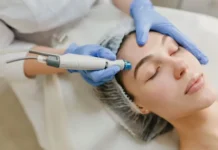



















Microneedling has become a popular cosmetic procedure, touted for its ability to rejuvenate the skin by stimulating collagen production. However, many individuals have found themselves searching for answers after experiencing adverse effects from this treatment. If you’ve ever thought, «microneedling ruined my skin,» you’re not alone. It’s essential to understand both the benefits and risks associated with this procedure, especially when it goes awry. In this article, we’ll delve into the intricacies of microneedling, uncover the potential pitfalls, and provide guidance on how to care for your skin post-treatment.
The Essentials of Microneedling
Microneedling involves using tiny, sterile needles to create micro-injuries on the skin’s surface. This controlled damage prompts your skin to activate its natural healing processes, increasing collagen and elastin production. But what happens when this process doesn’t go as planned?
While many people see improvements in skin texture, tone, and firmness, some may experience distressing side effects. Understanding what’s normal and what’s not is crucial for anyone considering this treatment.
Understanding Microneedling: How It Works
The primary goal of microneedling is to encourage skin rejuvenation. By creating small punctures, the skin initiates a healing response, which ideally results in a smoother appearance. However, this is not a foolproof method. The treatment can lead to complications, especially if performed incorrectly or under unsuitable conditions.
When the skin is wounded, your body goes into repair mode, releasing white blood cells and other healing agents. This process involves inflammation, which is necessary but can become problematic if it lingers or is excessive.
What You Might Not Hear from Brands
Many marketing claims about microneedling can be misleading. You may have heard that it «boosts collagen» and creates flawless skin, but the reality is often more nuanced. Each session can deplete your skin’s natural resources, especially if treatments are too frequent or aggressive.
The results may initially seem promising, with temporary tightening and a radiant glow. However, these effects can sometimes be misleading, as they may stem from inflammation rather than genuine skin improvement.
The Dangers of At-Home Microneedling
At-home devices are tempting, but they come with significant risks. The lack of professional sterilization and technique can introduce bacteria into your skin, leading to complications like scarring and infections. Even minor punctures can trigger adverse reactions if not handled correctly.
If you’re considering microneedling, always opt for a trained professional who understands skin anatomy and can assess your individual needs. Your skin deserves the best care possible.
Real Experiences: When Microneedling Goes Wrong
Many people have shared their harrowing stories after attempting microneedling, especially at home. Here are a few real accounts:
- Clemmy from London: “I thought I’d improve my skin, but now I’m devastated. The microneedling left my face in a worse state than before.”
- Nancy from Australia: “After my at-home treatment, I woke up to a swollen face and tiny holes. I regret not seeking professional help.”
- Angela, 43: “After several self-treatments, my skin became inflamed and sensitive. I didn’t know the risks until it was too late.”
These stories serve as a reminder that microneedling should not be taken lightly.
Seven Microneedling Side Effects to Watch For
It’s crucial to be aware of potential side effects, which can include:
Avoiding Common Mistakes
Many complications stem from simple mistakes:
- Self-Treatment: Performing microneedling without professional guidance is risky.
- Using Active Ingredients Too Soon: Avoid applying potent serums immediately after treatment.
- Ignoring Early Warning Signs: Pay attention to any unusual symptoms.
- Overdoing Treatments: Give your skin adequate time to heal.
- Neglecting Barrier Repair: Ensure your skin barrier is supported post-treatment.
Aftercare: Caring for Your Skin Post-Microneedling
The first few days after microneedling are critical for healing. Focus on keeping your skin clean, calm, and hydrated. Avoid active ingredients like retinoids or strong acids during this period to minimize irritation.
Your skincare routine should consist of soothing and hydrating products that support barrier repair. Ingredients like ceramides and fatty acids can be particularly beneficial.
Final Thoughts on Microneedling
While microneedling can be effective, it’s essential to approach it with caution. Understanding the risks and ensuring you have professional guidance can make a world of difference. Your skin’s health should always come first, so prioritize gentle, supportive treatments over aggressive ones. Remember, true skin health is about care and consistency, not just quick fixes.