














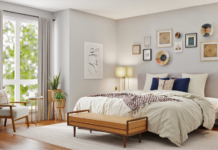





Lighting is more than just a functional necessity; it’s a fundamental element that shapes the ambiance of your home. Have you ever walked into a room and felt instantly at ease or, conversely, uncomfortable because of how it was lit? The right lighting can transform spaces, enhance your mood, and even boost productivity. By understanding the intricacies of lighting design, you can elevate your home’s aesthetics and functionality. This article will delve into the essential components of effective lighting, including the different types of light, brightness considerations, fixture selection, and the importance of natural light. Let’s explore how to create a harmonious lighting scheme that suits your lifestyle.
Exploring the Three Essential Types of Lighting
To cultivate a well-rounded lighting design, you should familiarize yourself with three primary types of lighting: ambient, task, and accent. Ambient lighting serves as the foundation of illumination in any space, often brought to life by ceiling fixtures or natural light from windows. This fundamental layer creates a warm welcome, ensuring areas are well-lit for everyday activities.
Next, you have task lighting, which focuses specifically on areas where activities take place. Think about desk lamps for reading, under-cabinet lights for cooking, or swing-arm sconces for crafting. Identifying where you need this concentrated light can significantly enhance usability while minimizing shadows and glare.
Lastly, accent lighting adds that special touch, drawing attention to artwork, architectural features, or even plants. By layering these different types of lighting, you can achieve a more functional and visually engaging environment.
Understanding Brightness and Color Temperature
When choosing light sources, brightness and color temperature are key factors to consider. Brightness is measured in lumens: the more lumens, the brighter the light. Color temperature, on the other hand, is measured in Kelvins and defines the warmth or coolness of the light.
For cozy living areas and bedrooms, go for warm white (2700K to 3000K), which mimics the comforting glow of traditional incandescent bulbs. If you’re in a kitchen or bathroom, consider cool white (3500K to 4100K) for a crisp, clean look. Daylight (5000K to 6500K) works wonders in task-oriented spaces like home offices, promoting alertness and focus. Understanding these elements enables you to tailor your lighting to meet both aesthetic and practical needs.
Selecting the Right Fixtures and Dimmers
Choosing light fixtures is another vital piece of the puzzle. Your fixtures should not only enhance your decor but also meet functional requirements. For example, a stylish pendant light can serve both as ambient lighting and a decorative piece in a dining room, while recessed lighting is ideal for smaller areas where headroom is limited.
Dimmers are essential for achieving a balanced lighting environment. They allow you to adjust light intensity based on the occasion or time of day, providing flexibility. Whether it’s a bright setting for family gatherings or a softer touch for movie nights, incorporating dimmers can significantly enhance your home experience.
The Role of Natural Light in Your Home
Natural light plays a crucial role in creating a balanced lighting environment. Maximizing daylight not only reduces your reliance on artificial lighting but also enhances the overall ambiance. You can achieve this by strategically placing mirrors, using lighter paint colors, and choosing suitable window treatments to reflect and diffuse sunlight effectively.
Consider adding skylights or large windows to invite more natural light into your living spaces. Natural light contributes to well-being and is linked to improved mood and mental clarity. Striking a balance between natural and artificial light can enrich your home, fostering a comforting and positive atmosphere.
Creating Functional Lighting Zones
Another important aspect of effective lighting design is creating specific lighting zones throughout your home. By segmenting lighting into zones, you can cater to various activities more effectively and create different atmospheres in each area.
For instance, family rooms typically benefit from a cozy ambiance with adjustable light levels, perfect for gatherings. In contrast, kitchens require bright, task-oriented lighting above workspaces like counters and islands. Establishing these distinct zones allows for seamless transitions between socializing, working, and relaxing.
Avoiding Common Lighting Pitfalls
When planning your lighting scheme, be mindful of common mistakes that could lead to an unbalanced look. Relying on a single light source can create harsh shadows and uneven lighting, resulting in discomfort. Additionally, skipping dimmers can leave you with a static lighting intensity that lacks versatility.
Also, consider the scale of your fixtures; oversized lights in a small room can overwhelm the space, while too-small fixtures may fail to provide adequate illumination. Being aware of these common missteps can help you maintain a harmonious and inviting lighting design.