
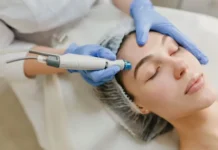



















Ever thought about why your skin glows so beautifully after a sauna? That radiant look isn’t just a fantasy—it’s the result of a fascinating biological process. Radiant heat therapy, particularly through infrared saunas, stands at the intersection of nature and science, providing an experience that goes beyond mere relaxation. This method warms you from the inside out, promoting cellular regeneration and a healthy balance. Curious to know what’s really happening beneath your skin during these sessions? Let’s dive into the science behind radiant heat therapy and discover how it can transform your skincare routine.
Understanding Radiant Heat Therapy
So, what exactly is radiant heat therapy? Unlike traditional saunas that warm the air around you, radiant heat directly penetrates your skin. This deep warmth initiates a series of biological responses that can enhance skin health, circulation, and even your emotional state. While regular saunas rely on hot air, infrared saunas utilize light to warm your body, increasing your core temperature without the discomfort of high ambient heat. This unique approach encourages detoxification, improves oxygen flow, and can lead to a more even skin tone.
The Role of Collagen and Cellular Activity
When radiant heat reaches the deeper layers of your skin, it activates fibroblasts—those essential cells responsible for collagen and elastin production. Research indicates that prolonged exposure to infrared heat significantly boosts collagen and elastic fiber levels. As heat stimulates these cells, your skin becomes firmer and appears more youthful over time. Unlike topical solutions that only address surface issues, radiant heat therapy works from within, promoting rejuvenation where it truly counts. Just remember, moderation is crucial; excessive heat can have the opposite effect by breaking down collagen.
Why Core Temperature Is Key
You might be surprised to learn that core temperature is more important than the air temperature in determining how your skin reacts. Traditional saunas often reach extreme temperatures to raise your core temperature, which can be uncomfortable. However, infrared saunas achieve a significant increase in your core temperature while keeping the surrounding air cooler. This gentler approach reduces thermal stress on your skin and can trigger beneficial heat shock proteins, promoting healing and regeneration.
Heat and Its Impact on Hyperpigmentation
While radiant heat can revitalize your complexion, it’s not suitable for everyone. For those with conditions like melasma or post-inflammatory hyperpigmentation, increased heat may stimulate melanin production, worsening pigmentation issues. If you’re prone to these conditions, consider limiting the duration of your sessions and keeping the temperatures moderate. Incorporating antioxidants and daily SPF can also help combat unwanted pigmentation while you enjoy the therapeutic effects of gentle heat.
Managing Acne and Sweat
One of the unexpected benefits of radiant heat is its ability to induce sweating, which helps flush out impurities and balance oil levels. Sweat contains dermcidin, an antimicrobial peptide that can combat acne-causing bacteria. However, it’s vital to cleanse your skin after sweating; otherwise, sweat can mix with oils and lead to clogged pores. Always use a gentle, pH-balanced cleanser post-session, and follow up with a lightweight moisturizer to maintain your skin’s barrier.
Who Should Steer Clear of Radiant Heat Therapy?
Not everyone will reap the benefits of radiant heat therapy. Individuals with rosacea may experience increased redness, while those with eczema or psoriasis might find their conditions exacerbated. Pregnant women, young children, and anyone with heart or blood pressure issues should consult a healthcare provider before trying this method. Additionally, dehydration can occur quickly, so remember to hydrate before and after your sessions.
Preparing Your Skin for Radiant Heat Therapy
To maximize the benefits of your session, start with clean skin, free from active ingredients like acids or retinoids. Hydration is key; drink plenty of water before and apply a simple humectant-based serum if your skin tends to be dry. After your session, focus on replenishing moisture. A hydrating mist followed by a ceramide-rich moisturizer will help restore your skin barrier while avoiding potent actives for at least 24 hours.
FAQs About Radiant Heat Therapy
1. How often should I indulge in radiant heat therapy?
Aim for two to three sessions each week, starting with 15 to 20 minutes. Listen to your skin’s reactions and allow rest days between treatments.
2. Is infrared heat safe for sensitive skin?
Use caution. If your skin is sensitive or prone to rosacea, opt for lower temperatures and shorter sessions, and always finish with calming skincare.
3. Can infrared heat help reduce signs of aging?
Yes! When used wisely, radiant heat can boost collagen and elastin production. However, balance is essential to avoid any adverse effects.
4. Might radiant heat therapy worsen pigmentation?
It could. If you have melasma or similar conditions, keep sessions brief, protect your skin with antioxidants, and never skip sunscreen.
5. What should I do after a sauna or infrared session?
Gently cleanse to remove sweat and impurities, then hydrate immediately. Using a humectant mist or serum followed by a rich moisturizer is ideal.
6. Is sweating beneficial for my skin?
Absolutely! When managed properly, sweating aids in detoxifying your skin and delivers antimicrobial peptides. Just remember to cleanse promptly and rehydrate.
7. Who should avoid radiant heat therapy altogether?
Individuals with rosacea, active eczema, or cardiovascular issues should consult a medical professional before engaging in radiant heat therapy. Your skin’s health is paramount.
8. What skincare products complement radiant heat therapy best?
Opt for gentle cleansers and hydrating mists with humectants. Barrier creams with ceramides are excellent, while active ingredients should be avoided immediately before or after sessions.