
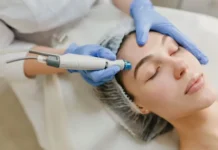

















Are you tired of people asking if you’re feeling alright because of your red cheeks? Or perhaps you’ve noticed those pesky bumps and persistent redness that just won’t go away? If this sounds familiar, you might be dealing with a condition known as rosacea. This skin issue affects many, yet it often goes misunderstood. So, what can you do to manage it? In this article, we’ll delve into the essentials of rosacea, exploring how to minimize facial redness and find effective treatments. By the end, you’ll feel more empowered to take control of your skin health.
Understanding Rosacea: What You Need to Know
Rosacea is a long-term inflammatory skin condition that primarily impacts the central part of the face, including the cheeks, nose, chin, and sometimes the forehead. It’s characterized by vascular instability, immune response issues, and a damaged skin barrier. About 5% of the global population suffers from this, with women being affected more often than men.
The symptoms can range from noticeable redness and enlarged blood vessels to burning sensations and dry patches. Recognizing the signs correctly is vital, as rosacea is frequently mistaken for other conditions like acne or dermatitis. There’s no universal remedy for rosacea, but the focus should be on enhancing skin health and resilience.
Insights from a Skin Specialist
Having spent years working with various skin types, I can assure you that rosacea is often misdiagnosed and mistreated. Many individuals arrive at my clinic feeling frustrated after trying numerous products, only to find themselves trapped in a cycle of irritation and redness.
It’s important to understand that rosacea isn’t a sign of weak skin; rather, it’s a signal that your skin is overwhelmed. This realization shifts the focus from aggressive treatments to a more supportive approach. Various triggers like sun exposure, stress, and certain foods can exacerbate symptoms, so identifying these factors is essential.
Common Types of Rosacea Patterns
In my experience at the clinic, I typically encounter several distinct forms of rosacea:
Triggers that Cause Rosacea Flare-Ups
Rosacea-prone skin has a low tolerance for various irritants, making it easy for inflammation to escalate. Common triggers include:
Understanding these triggers can help you manage your skin better.
Avoiding the Acne Treatment Mistake
One of the most significant errors people make is treating rosacea as if it were acne. This approach often leads to more harm than good. Stripping the skin of its natural oils deepens inflammation and increases sensitivity.
Clients frequently express frustration, saying, “My skin feels oily, but it’s also tight and burning.” This isn’t a sign of excess oil; it’s a failure of the skin barrier.
My Philosophy for Rosacea Care: Calm Before Repair
At the heart of effective rosacea management is the principle of calming the skin first and then focusing on repair. When the skin barrier is supported, it becomes less reactive.
Step 1: Gentle Cleansing
Your cleansing routine should avoid disrupting the skin barrier. Opt for **gentle cleansers** that remove dirt without stripping essential oils. If your skin feels tight afterward, it’s a red flag.
Step 2: Hydration Is Key
Keeping your skin hydrated can significantly reduce stinging and redness. Simple humectants combined with calming ingredients are often more effective than overwhelming your skin with multiple products.
Step 3: Rebuild the Lipid Barrier
This is where lasting change occurs. Incorporating ceramides and fatty acids can help restore balance and improve your skin’s resilience.
Step 4: Sun Protection
**Daily sun protection is crucial.** Even minimal exposure can trigger rosacea flare-ups, so finding a sunscreen that your skin tolerates is essential.
Effective Ingredients for Rosacea
Certain ingredients consistently yield positive results for rosacea-prone skin:
Ingredients to Approach with Caution
Some ingredients can exacerbate rosacea, so it’s wise to avoid:
Managing Rosacea: A Barrier-Focused Approach
Effective rosacea management is about supporting the skin rather than attacking it. Simplifying your skincare routine and avoiding harsh ingredients can lead to long-term improvement.
Hydration is non-negotiable. A well-formulated moisturizer with skin-identical lipids helps maintain balance and resilience. For those experiencing flare-ups, a cooling gel can provide immediate relief without overwhelming sensitive skin.
For individuals dealing with papulopustular rosacea, restraint is paramount. Avoid aggressive treatments and opt for targeted spot treatments that won’t further irritate the skin.
FAQs About Rosacea
1) Can rosacea be cured?
While rosacea is chronic, it doesn’t have to dictate your skin’s appearance. With the right routine and trigger management, many people achieve long-term stability.
2) Does my rosacea worsen in winter or during certain seasons?
Extreme weather and indoor heating can stress your skin, often requiring routine adjustments.
3) Is redness always a sign of inflammation?
Not necessarily. Some redness can be vascular, while other types may be related to inflammation or barrier issues.
4) Should I stop all activities if I have rosacea?
During flare-ups, simplifying your routine is advisable. Once your skin calms down, you can gradually introduce active ingredients.
5) How long until I see improvement in my skin barrier?
You may notice early improvements in comfort within weeks, but full barrier repair can take several months of consistent care.