



















Embrace Radiant Skin: Understanding and Preventing Photoaging
Have you ever glanced at yourself in the mirror and noticed those pesky fine lines or dark spots that seem to have appeared overnight? It’s not just you. These signs can often be attributed to photoaging, a form of skin damage caused by the sun’s ultraviolet (UV) rays. While we all age naturally, the effects of sun exposure can hasten this process significantly. But here’s the good news: you can take steps to protect your skin and maintain its youthful glow. In this article, we will explore the mechanisms behind photoaging, its signs, and effective strategies for prevention and treatment.
What Exactly Is Photoaging?
Photoaging is the premature ageing of the skin primarily caused by prolonged exposure to UV radiation. The Skin Cancer Foundation highlights that a substantial portion of visible ageing we associate with simply getting older is actually the result of sun exposure. Common symptoms include:
- Uneven skin tone and sunspots
- Fine lines and wrinkles
- Decreased skin firmness and elasticity
- Rough texture
- Visible redness or broken capillaries
These changes typically develop gradually, often surfacing years after the initial exposure.
The Mechanisms Behind Photoaging
Understanding UV Radiation Damage
Both UVA and UVB rays play a significant role in photoaging. UVA rays penetrate deeply into the skin and are primarily responsible for collagen degradation, while UVB rays affect the outer layers and are known for causing sunburn. Together, they lead to oxidative stress, inflammation, and DNA damage, which are key factors in the ageing process.
Breaking Down Collagen and Elastin
Collagen is crucial for maintaining skin firmness, while elastin allows it to retain its shape. Continuous UV exposure disrupts these proteins, leading to a loss of elasticity, wrinkles, and overall skin laxity. This structural damage is one of the most noticeable aspects of photoaging.
Changes in Pigmentation
When UV radiation hits your skin, it stimulates melanocytes to produce melanin, the pigment responsible for your skin color. Initially, this can offer some protection; however, repeated exposure can result in dark spots, freckles, and an uneven complexion.
Comparing Natural Ageing and Photoaging
Natural ageing tends to manifest gradually and evenly. You might notice slight dryness, the appearance of fine lines in areas where you frequently express emotions, and a slower cell turnover. In contrast, photoaged skin often shows distinct sun-related features, such as:
- Patchy pigmentation
- Deeper wrinkles in sun-exposed areas
- Texture that feels rough
- More significant loss of elasticity
Recognizing these differences can guide you in choosing effective treatments and preventive measures.
Steps to Prevent Photoaging
You might think that fighting photoaging requires a complicated routine, but consistency is far more important than complexity.
Prioritize Sun Protection
Daily application of a broad-spectrum sunscreen is crucial. In addition to sunscreen, wearing protective clothing, hats, and sunglasses, along with seeking shade during peak sun hours, significantly reduces the risk of cumulative skin damage.
Incorporate Antioxidants
Antioxidants are essential for neutralizing free radicals generated by UV exposure. They assist in maintaining collagen integrity and reducing inflammation. For brighter, more even skin tone, consider using products rich in antioxidants.
Utilize Retinoids for Skin Renewal
Retinoids are proven ingredients that help improve visible signs of photoaging. They promote healthy cell turnover and encourage collagen production, contributing to smoother, firmer skin.
Focus on Barrier Repair
A well-functioning skin barrier is often overlooked but is vital for preventing photoaging. When compromised, your skin becomes more susceptible to damage. Using products that replenish essential lipids and ceramides can restore your skin’s natural barrier function.
Exploring Professional Treatments
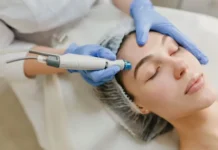
If you’re looking for more immediate results, professional treatments like laser therapy, chemical peels, and microneedling can improve specific signs of photoaging. However, these should always be performed by qualified professionals, especially if your skin is sensitive or has pigmentation issues.
Expert Insight
With over three decades of experience in treating sun-affected skin, many experts believe that the most significant improvements come from daily protection and consistent skincare routines rather than aggressive treatments. When your skin feels secure, it ages more gracefully.
Frequently Asked Questions
What is the primary cause of photoaging?
Chronic exposure to UVA and UVB radiation is the leading factor.
Can you reverse photoaging?
While visible signs can often be improved, the best approach is prevention.
Does sunscreen prevent photoaging entirely?
Sunscreen is vital, but combining it with antioxidants and barrier support offers the best defense.
Is everyone susceptible to photoaging?
Yes, although the severity varies based on genetics, sun exposure, and skincare practices.