













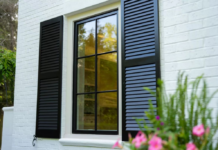






Color plays a pivotal role in our living spaces, influencing not just aesthetics but also our emotions and behaviors. Have you ever walked into a room and felt instantly uplifted or, conversely, a bit uneasy? This is no coincidence. The colors we choose for our walls can significantly affect our mood and how we perceive our environment. In this article, we will delve into how color interacts with light, impacts spatial perception, and creates emotional continuity within your home. By understanding these dynamics, you can transform your space into a harmonious haven.
Understanding the Impact of Light on Color
Have you noticed how wall color changes throughout the day? Natural light can enhance or shift the undertones of your chosen shades, revealing their true character. For instance, rooms with northern exposure often receive cooler, dimmer light, causing colors to appear muted or even grayish. In such cases, opting for warmer neutrals or soft creams can create a comforting environment. On the flip side, southern-facing rooms bask in bright light, allowing you to experiment with cooler tones without making the space feel harsh.
Moreover, the finish of your paint matters too. Matte finishes absorb light, offering a subtle and calming vibe, while satin and gloss finishes bounce light back, enriching the atmosphere and providing a lively dimension.
Color’s Role in Spatial Perception
Color isn’t just about looks; it can actually change how we perceive space. Lighter shades can make smaller rooms feel more expansive, creating a sense of openness. Darker tones, when applied thoughtfully, can infuse depth and warmth, making larger spaces feel cozier.
Consider using accent walls or color zoning to guide the flow of your home. For example, a darker hue behind a bed can ground the room, while a bright color in a home office can define the area without needing physical barriers. Thoughtful color placement can lead the eye naturally around the space.
Surface Condition and Aesthetic Appeal
Before you even think about paint, check the condition of your walls. Even the best color choice can fall flat if the surface is damaged or uneven. Imperfections like stains or cracks can interfere with how the paint adheres and reflects light. This not only detracts from the beauty of the color but also alters the overall mood of the room.
For example, water damage can leave unsightly marks that disrupt the uniformity of your paint job. Addressing these issues before applying any color is essential. If you have significant moisture damage, seeking professional restoration services is crucial to ensure your walls are ready for a fresh coat.
Creating Emotional Flow Through Color
In a well-thought-out home, no room exists in isolation. Instead, there should be a sense of continuity throughout your color choices. This doesn’t mean every room needs to look the same, but rather that there should be a thoughtful progression of shades that harmonize with each other. Transitional areas like hallways can bridge different spaces effectively.
Using neutral tones in these areas can serve as a backdrop, allowing bolder colors in adjacent rooms to shine without clashing. By repeating subtle undertones—whether warm or cool—you can foster a cohesive atmosphere that feels seamless as you move from room to room.
The Bigger Picture: Color Beyond Aesthetics
Ultimately, wall color shapes not only our immediate visual experience but also our emotional responses and perceptions of space. The effectiveness of your color choices hinges on several factors, including light interaction, spatial context, and surface condition.
By being mindful of these elements, you can create a home that not only looks beautiful but also nurtures your well-being.