



















Imagine walking into your laundry space and finding it beautifully organized, only to discover later that a small leak has turned into a major disaster. How can you prevent such a scenario? Water damage in laundry rooms is more common than you might think, often stemming from old hoses or inadequate drainage systems. In this article, we will explore effective strategies to safeguard your laundry area, ensuring it remains both functional and aesthetically pleasing. Let’s dive into essential tips that every homeowner should know to mitigate potential water damage.
Understand the Risks of Laundry Room Water Damage
Laundry rooms are often overlooked, yet they pose a significant risk for water-related issues. Washing machines are notorious for leaking, especially when they are not regularly maintained. Did you know that the average washing machine can release hundreds of gallons of water per hour when a hose fails? This can wreak havoc on your home if you’re not prepared.
Routine maintenance and smart design choices can make a world of difference. Here, we’ll discuss the best preventive measures you can implement.
1. Upgrade to Braided Stainless Steel Hoses
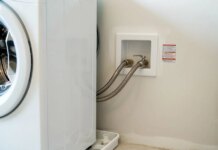
The standard rubber hoses that come with most washing machines are often the first line of failure. Instead of settling for these, consider replacing them with braided stainless steel hoses. Not only do they last longer, but they also resist cracking and bursting much better than their rubber counterparts.
Most experts, including the Connecticut Insurance Department, recommend changing these hoses every five years. To keep track, simply write the installation date on a piece of tape and attach it to the hose.
2. Install a Drip Pan with Drainage
Have you ever thought about where all that water goes when your washing machine leaks? Installing a drip pan under your washer, complete with a drainage system, is a smart strategy. This pan can catch any leaks before they spread, channeling the water away from your flooring and subfloor.
Make sure the pan is appropriately sized and designed to drain efficiently. This small investment can save you from significant repairs down the line.
3. Utilize Water Sensors for Early Detection
Imagine having a device that alerts you to leaks before they become a problem. Water sensors can be a game-changer. These devices sit on the floor and notify you when they detect moisture.
You can place them near the washing machine, under the sink, or anywhere else water might accumulate. With today’s technology, some sensors even send alerts directly to your smartphone, allowing you to act quickly.
4. Maintain an Accessible Drainage System
It’s crucial to ensure that your laundry room has a proper drainage system. Regularly check and clear any blockages in the drain to prevent overflow. A well-maintained drainage system can handle unexpected spills and leaks, protecting your home from extensive damage.
Consider installing a floor drain if your laundry area lacks one. This feature can significantly reduce the risk of pooling water.
5. Educate Your Family on Proper Use
Sometimes, the best prevention comes from simple education. Make sure everyone in your household knows how to use the washing machine correctly. For example, ensure they understand the importance of not overloading the machine, which can strain the hoses and increase the risk of leaks.
Encourage family members to report any unusual noises or leaks immediately. Early detection can save you from a much larger headache later.
6. Schedule Regular Maintenance Checks
Just like your car, your washing machine also benefits from regular check-ups. Consider scheduling annual maintenance to ensure that everything is in good working order. A professional can spot potential issues that you might overlook, such as wear and tear on hoses or problems with the machine itself.
By being proactive, you can extend the life of your washer and reduce the likelihood of water damage.
7. Design Your Laundry Room for Efficiency
Lastly, think about the layout of your laundry space. Designing your laundry room with efficiency and water safety in mind can be a smart move. For instance, consider placing your washer and dryer on a raised platform to allow for better drainage.
Additionally, if possible, incorporate water-resistant materials in your laundry room design. This includes flooring that can withstand spills without sustaining damage.
By following these tips, you can transform your laundry room into a safe and stylish space, free from the worry of water damage. So, why not start implementing these strategies today?