

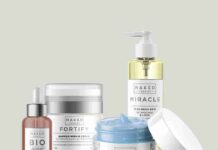


















You might not think much about the ingredients in your skincare, but have you ever come across panthenol? This understated yet powerful component plays a crucial role in enhancing the health of your skin, hair, and nails. Often overshadowed by more glamorous names like vitamin C and retinol, panthenol deserves a spotlight of its own. In this article, we’ll explore what panthenol is, its remarkable benefits, and why it’s an essential addition to your beauty routine. Get ready to discover the magic behind this unsung hero!
###
Understanding Panthenol: What Is It?
Panthenol, also known as provitamin B5, is a stable form of pantothenic acid. Once absorbed by your skin, it transforms into the active pantothenic acid that your cells recognize and utilize for renewal and repair. You might find it on product labels under various names, including dexpanthenol or D-panthenol. Its natural presence in all living organisms, including plants and animals, makes it exceptionally well-tolerated by the skin.
What’s truly fascinating is that a deficiency in vitamin B5 can manifest as dryness and sluggish healing in the skin. So, when you apply panthenol, you’re not merely adding an ingredient; you’re enhancing your skin’s natural repair processes.
###
Benefits of Panthenol for Your Skin
Panthenol operates effectively in two main ways: it acts as a humectant, drawing moisture into your skin, and as an emollient, smoothing and softening its surface. This dual functionality is what makes panthenol such an effective hydrating agent. Unlike products that simply sit on the skin, panthenol penetrates deeper layers, delivering lasting hydration.
###
Deep, Lasting Hydration
Thanks to its humectant properties, panthenol attracts water to your skin’s surface and ensures it reaches the deeper layers. This results in hydration that feels natural and supple instead of merely sitting on the surface, making your skin look and feel revitalized.
###
Repairing the Skin Barrier
One of the standout features of panthenol is its ability to strengthen the skin barrier. By reducing transepidermal water loss, it helps combat issues like tightness, flakiness, and sensitivity. Research indicates that even a concentration as low as 1% can significantly enhance the protective function of your skin barrier.
###
Soothing and Anti-Inflammatory Properties
If you struggle with irritation, redness, or itchy skin, panthenol can be a game-changer. Regular application can help calm inflammation, making it a staple for those with sensitive or reactive skin. It’s one of the few actives that can genuinely soothe your skin, providing relief when you need it most.
###
Wound Healing and Repair
Panthenol has been shown to accelerate wound healing by approximately 30%. This quality makes it particularly effective in formulations aimed at treating burns, eczema, and post-procedure recovery. Additionally, it aids in reducing the appearance of scars and softening stretch marks.
###
Panthenol’s Role in Hair Care
It’s not just your skin that benefits from panthenol; it’s also a boon for your hair. This ingredient penetrates the hair shaft, providing strength and body. It forms a lightweight film that locks in moisture, protecting against damage and enhancing shine. Studies dating back to the 1960s have even shown its efficacy in soothing scalp inflammation.
###
Panthenol for Nail Health
Your nails can also take advantage of panthenol’s benefits. This ingredient can penetrate the nail plate, hydrating brittle nails and improving their flexibility. By interacting with keratin, the protein that makes up your nails, panthenol helps strengthen them over time.
###
Who Can Benefit from Panthenol?
Almost anyone can incorporate panthenol into their skincare routine. It’s especially beneficial for those with dry, flaky, or sensitive skin. Because of its gentle nature, it pairs well with more potent ingredients, making it a versatile addition to your beauty arsenal.
In a market often fixated on the latest trends and dramatic results, panthenol remains a reliable workhorse. It might not be flashy, but its effectiveness speaks for itself. In a world where everyone is clamoring for the next big thing, sometimes the best approach is to stick with tried-and-true ingredients that support your skin rather than overwhelm it.
###
FAQs about Panthenol
###
What is panthenol?
Panthenol is a stable form of vitamin B5 that transforms into pantothenic acid once absorbed by the skin. It serves as a humectant and emollient, promoting hydration, soothing irritation, and enhancing skin barrier function.
###
Is panthenol beneficial for the skin?
Absolutely! Panthenol is one of the gentlest and most effective skincare ingredients available. It hydrates, fortifies the skin barrier, alleviates inflammation, and is particularly advantageous for dry or sensitive skin.
###
How does panthenol affect your skin?
Panthenol hydrates by attracting and retaining moisture, supports skin barrier repair, soothes irritation, and promotes wound healing. Even at a low concentration, it significantly enhances your skin’s protective capabilities.
###
Is panthenol equivalent to vitamin B5?
Yes, panthenol is essentially provitamin B5. Once it penetrates your skin, it converts into the active form of vitamin B5 that is beneficial for your cells.
###
Can sensitive skin benefit from panthenol?
Definitely. Panthenol is often recommended for sensitive skin due to its soothing properties. It rarely causes irritation and is effective at calming reactive or post-procedure skin.