










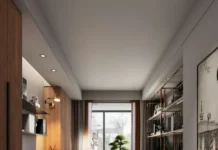









Transforming a spare bedroom into a functional study space can be a game-changer, especially if you’re diving into online education. It’s not just about finding a desk and chair; it’s about creating an environment that aligns with your learning style and needs. After all, how often do you find yourself crammed on the couch, struggling to focus while the TV blares in the background? Let’s explore how to convert that underutilized space into an efficient study area.
This article will guide you through the essential steps for transforming a spare bedroom into a productive study room. We’ll cover important aspects like understanding your course format, clearing out existing clutter, optimizing lighting and sound, and much more. Ready to make the most of your space? Let’s dive in!
Understanding Your Course Format to Inform Your Space
Online learning is becoming increasingly mainstream. In fact, recent statistics show that over half of U.S. undergraduates took at least one online course in recent years, with many pursuing their studies exclusively online. But how does this relate to your spare room?
The format of your classes is crucial. If your program relies heavily on live sessions, you’ll need a setup that’s visually appealing and free from distractions. This means a well-lit backdrop and a quiet atmosphere. Conversely, if your courses are mostly self-paced, the focus will be on comfortable seating and effective task lighting. So, what’s your course structure like?
Make sure to investigate the specifics of your program, as this will directly influence how you configure your study space.
Clearing the Clutter: The First Step to a Functional Room
Before you can even think about setting up your desk, it’s vital to clear out the existing clutter. Most spare bedrooms are filled with items that may not serve any purpose anymore. From guest beds to unused exercise equipment, it’s time for a clean slate.
Consider a short-term storage solution if you need a temporary space for these items. This can be particularly helpful for keeping things organized during your study period. Just remember to check for local promotions to keep costs down!
Deciding What to Keep and What to Remove
You don’t have to eliminate everything. If you occasionally host guests, consider retaining convertible furniture like a sofa bed or a daybed. This allows you to maximize space while keeping the room functional for both studying and hosting.
Make a list of items that can stay and those that can go:
By doing this, you can effectively manage your space without sacrificing comfort.
Optimal Desk Placement for Maximum Productivity
Where you place your desk can significantly affect your productivity levels. Ideally, position it to benefit from natural light without the glare that comes from facing a window directly. Instead, aim for a position where light hits the side of your screen.
According to recommendations, maintain a distance of 20 to 40 inches between your eyes and the screen. Additionally, ensure that your monitor is at eye level to avoid strain during those long study sessions.
Layer your lighting for better visibility. A combination of overhead lights and desk lamps can help create a well-lit working environment, reducing eye strain as you read and write.
Sound Management: A Critical Component
Sound can often be an overlooked aspect of a study space. While bedrooms tend to be quieter than other areas, they still pick up background noise that can be distracting.
To mitigate this, think about soft furnishings like rugs and curtains, which can absorb sound and enhance the room’s aesthetics. Additionally, consider soundproofing elements like door sweeps or weatherstripping to minimize external noise.
If you’re in a shared living environment, communicate your study schedule with others to prevent interruptions.
Using Color and Storage to Define Your Study Area
Once you’ve sorted out the layout, it’s time to think about color. Soft, muted tones can create a calming atmosphere, helping you stay focused. Consider shades like sage green or warm gray, which are also webcam-friendly.
Storage is another key factor. Make sure it caters to your study needs rather than past clutter. Vertical storage solutions, like floating shelves, can keep your desk clear and organized. This helps create a focused environment where you can easily keep track of your study materials.
Planning for Future Flexibility
Remember, your study setup doesn’t have to be permanent. As your educational journey comes to an end, consider how the space can evolve. Invest in furniture that can transition into other areas of your home, allowing for versatile use in the future.
By planning carefully and following these steps, you can create a study space that is not only functional but also adaptable for whatever comes next in your life.