


















Your face is a canvas that reflects not just your identity, but also your emotions and experiences. Each day, it greets the world, often without much thought given to its complexity. Have you ever considered how much your face reveals about you? With its intricate structure of skin, muscles, and bones, your face is more than just a physical feature; it’s a vital part of how you communicate. Let’s dive into some surprising facts that showcase the extraordinary nature of your face.
In this article, we’ll explore the fascinating anatomy of your face, its expressive capabilities, and some quirky traits that make each face unique. From the muscles that create your smile to the delicate skin around your eyes, get ready to discover how your face tells your story.
Understanding Facial Expressions and Muscles
Your face is designed for communication. Even before you speak, your facial muscles convey a wealth of information about your feelings.
The Anatomy of Your Face: Bones, Skin, and More
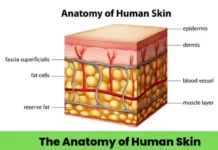
Beneath those expressive features lies a sophisticated framework of bones, muscles, and skin that evolves over your lifetime.
Quirky Traits of the Human Face
Your face is filled with delightful quirks that make it unique and endlessly intriguing.
The Naked Truth About Your Face
These insights into the human face reveal just how remarkable and expressive it truly is. With this knowledge, you can appreciate the complexity of your features and the story they tell. Remember to treat your face with care; the skin, especially around the eyes, deserves gentle nurturing rather than harsh treatments. Understanding your facial anatomy is the first step in enhancing your natural beauty and expressing your emotions authentically.
Common Questions About the Face
What are some intriguing facts about the face?
Your face is composed of 14 bones and around 40 muscles, allowing for over 10,000 unique expressions. The skin around your eyes is particularly delicate, showing signs of aging first.
How many muscles does the face have?
There are roughly 40 muscles in the face, with about 21 being mimetic, enabling a range of expressions.
Is it true that frowning uses more muscles than smiling?
Generally, yes. While the exact number may vary, frowning typically engages more muscles than smiling, making smiling the more efficient choice.
Why is the eye area so sensitive?
The skin around your eyes is thinner and has fewer oil glands, which is why it tends to show signs of wear and tear sooner than other areas. It requires gentle care to maintain its health.