

















In recent years, the conversation around men’s skincare has evolved significantly. Gone are the days when skincare was considered a secondary concern for men, overshadowed by women’s products. Yet, many still find themselves struggling to identify what their skin truly needs. Have you ever used a product that promised results but left you feeling disappointed? You’re not alone. The reality is that most men’s skincare solutions are merely women’s formulations repackaged with a masculine touch. Understanding the unique characteristics of male skin is essential for making informed choices that genuinely improve your skin health.
In this article, we will explore the biological differences between men’s and women’s skin, the common misconceptions that lead to ineffective routines, and how to establish a skincare regimen that caters to your specific needs. Let’s dive into the intricate world of men’s skincare and discover how you can support your skin effectively.
Understanding Male Skin: The Role of Hormones
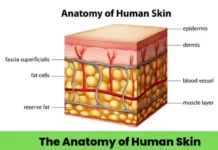
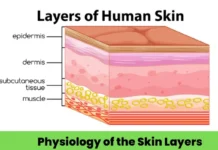
At the core of male skin biology is testosterone, a hormone that significantly impacts its structure and function. This hormone not only contributes to a thicker dermis but also increases oil production and the density of hair follicles. As a result, men’s skin is generally thicker, oilier, and more prone to certain issues like enlarged pores.
But why does testosterone have such a profound effect? It stimulates the production of sebum, the skin’s natural oil, leading to a unique skin profile that requires tailored care. Unlike women, whose skin is influenced by a different hormonal balance, men’s skin has distinct needs that should not be overlooked.
The Impact of Testosterone on Skin Structure
Testosterone increases collagen production, making men’s skin about 20% thicker than women’s. This thickness contributes to a firmer appearance, but it can also lead to deeper expression lines and congested pores over time.
Interestingly, the higher oil output means that while men’s skin may feel greasier, it also has a natural defense against dryness. Understanding this balance can help you choose the right products that support, rather than strip, your skin.
Why Men Experience Larger Pores and Increased Oiliness
One common misconception is that excess oil is detrimental. In reality, sebum plays a crucial role in keeping your skin hydrated and protected. However, the combination of high oil production and improper cleansing can lead to larger, more visible pores and acne.
Many products marketed towards men claim to provide a «deep clean,» but often, they strip away essential oils, leading to a cycle of overproduction and congestion. If you’ve noticed your skin becoming oilier after using such products, you’re likely caught in this frustrating cycle.
Avoiding Over-Striping: The Right Cleansing Approach
Instead of harsh cleansers, consider using gentler options that effectively remove dirt without disrupting your skin’s natural barrier. This way, you can maintain a balanced oil level and reduce the risk of irritation.
The Consequences of Shaving on Skin Health
Shaving is a daily ritual for many men, but it can be one of the most damaging practices for your skin. The act of shaving removes not just hair but also a thin layer of skin cells, compromising the protective barrier. This can lead to irritation, razor burn, and even ingrown hairs.
To mitigate these effects, use a high-quality razor and follow up with a soothing moisturizer that supports the skin barrier. Avoid alcohol-based aftershaves that can exacerbate irritation.
Essential Aftercare for a Healthy Shave
After shaving, apply a barrier-supportive cream that contains ingredients like ceramides and fatty acids. These components help replenish the skin, keeping it hydrated and reducing redness.
How Aging Affects Male Skin
Aging is a natural process, but the way it manifests in men’s skin differs from women’s. Men typically experience a gradual decline in collagen levels starting in their late twenties, resulting in a steady aging process. While women may experience sharper declines post-menopause, men often notice subtle changes over a longer period.
However, this slow decline can lead to a lack of awareness regarding the need for preventative care. By the time visible signs of aging appear, corrective measures may become necessary.
The Benefits of Targeted Anti-Aging Ingredients
Incorporating products with peptides and retinoids can help stimulate collagen production and improve skin texture. These ingredients are effective in addressing signs of aging, making them suitable additions to your skincare routine.
Other Unique Aspects of Male Skin
In addition to oiliness and shaving issues, there are quieter differences between male and female skin that should not be overlooked. Men’s skin tends to have a higher density of sweat glands, which can influence how products work.
Understanding Sweat and Its Role in Skincare
Men generally sweat more, which can help with hydration in humid environments. However, in dry climates, this can lead to a compromised skin barrier if not properly cared for.
Facial Hair: A Consideration in Skincare
Facial hair can trap oil and product residues, necessitating a slightly different cleansing approach. Regularly cleansing your face, especially if you have facial hair, will help maintain skin health beneath.
Common Skincare Mistakes Men Make
Many men fall into the trap of using harsh products that do more harm than good. Here are four common mistakes to avoid:
Recognizing these pitfalls is the first step toward better skin health.
Establishing the Right Skincare Routine
Creating an effective skincare routine doesn’t have to be complicated. A simple four-step regimen can yield great results:
By following these steps consistently, you can maintain healthy skin without overwhelming it with unnecessary products.
Ultimately, understanding your skin’s unique requirements is key to nurturing it effectively. By addressing these specific needs, you can enhance your skin’s health and appearance, avoiding the common pitfalls that many men encounter.