


















Do you often catch yourself glancing in the mirror, noticing the emergence of fine lines and wrinkles? You’re not alone. As we navigate through life, the youthful vibrancy of our faces evolves, making way for signs of aging that many of us would rather avoid. But understanding the biological underpinnings of this transformation can empower you to take action. In this article, we will delve into the fascinating anatomy of the face and explore how various factors contribute to aging, ultimately affecting your appearance. Get ready to uncover the secrets beneath your skin!
### Anatomy of Your Face
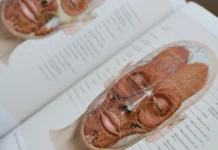
Your face comprises several fundamental components that work together to create its structure:
Each of these elements plays a significant role in maintaining your youthful look. When they begin to change, the effects can be quite noticeable.
### The Aging Process Unveiled
As time passes, your skin undergoes several changes. These include:
Notably, these changes often start around your mid-30s. Your skin can lose its youthful bounce, as transepidermal water loss increases. It’s fascinating to note that the organization of collagen and elastin fibers becomes disordered, leading to a loss of volume.
### Volume Changes in Your Skin
A youthful face is typically characterized by a plump and radiant appearance. Unfortunately, as you age, the subcutaneous layer, which houses fat cells, diminishes. This loss becomes evident in areas such as:
As fat compartments decrease, skin laxity becomes more pronounced, especially around the nose and jawline. Interestingly, while some areas lose fat, others, like the mouth and jaw, may accumulate it. This imbalance, coupled with the breakdown of collagen and elastin, can create a less defined facial contour.
### Breaking Down Aging by Facial Zones
To better understand how aging impacts your face, let’s categorize it into three key areas.
#### Upper Face Aging
In the upper region, skin tends to loosen and dehydrate, leading to:
Fat loss can create hollows around your eyes and temples, causing your eyebrows to droop. Additionally, repetitive facial movements can leave lines at rest.
#### Midface Aging
As for the midface, volume loss can deepen lines under your eyes and around your nose:
This loss, combined with diminishing bone structure, can lead to a flatter midface and accentuated lines.
#### Lower Face Aging
In the lower section, skin also loosens, creating lines around your mouth and chin. Factors include:
Repetitive movements contribute to lines around the mouth and chin, while lip volume also decreases with age.
### Understanding Facial Fat Pads
The face is home to various fat compartments that contribute to its shape. The malar fat pad, located in the cheek, provides a youthful roundness, while the buccal fat pad extends from the cheek to just below the cheekbone.
Research indicates that horizontal movements can damage the malar fat pad, while vertical movements might loosen it. This distinction is crucial for understanding how different facial exercises can impact your appearance.
### Addressing Aging: Your Options
As aging progresses, the underlying structures of your face change. This shift often results in softer tissues and sagging, which are common signs of aging.
To combat these effects, consider exploring daily habits and treatments that can slow down visible aging:
Moreover, consult with a professional for personalized treatment options, including non-invasive procedures that can target specific areas of concern.
### Frequently Asked Questions
#### 1) Why do fine lines and wrinkles appear as we age?
Fine lines develop due to the breakdown of collagen and elastin, coupled with reduced cellular turnover. Continuous muscle movements, such as frowning, also contribute to these visible signs.
#### 2) What facial structures change the most with age?
Aging affects multiple layers. Skin thins, fat pads shift, and bone resorption occurs, leading to hollowing and altered facial contours.
#### 3) Why do my cheeks look flatter but my lower face looks heavier?
This is a result of fat loss in the midface, creating flatter cheeks, while gravity affects the lower face, resulting in a heavier appearance.
#### 4) What daily habits help slow visible facial aging?
Regular use of sunscreen, gentle cleansing, and moisturizers can significantly impact your skin’s health, helping you maintain a youthful appearance.
#### 5) Are there non-invasive options to address lines and laxity?
Absolutely! Skincare products with retinoids and peptides can improve skin texture, while professional treatments like microneedling can refine your appearance.
In your quest to understand and address facial aging, remember that knowledge is power. Your facial structure is complex, but with the right approach, you can take proactive steps to maintain your youthful glow.