
















Unlocking the Secrets of Your Skin: Understanding the Epidermis
Have you ever wondered what your skin is truly doing beneath the surface? For many, the epidermis is seen merely as a protective layer, often overlooked in skincare routines. Yet, this outermost layer plays a crucial role in your skin’s overall health. Understanding its functions can transform how you approach skincare and help you tackle issues like dryness, irritation, or breakouts. In this article, we will explore the vital functions of the epidermis, its structure, common mistakes that can harm it, and how you can better support this essential barrier.
What Is the Role of the Epidermis?
The epidermis serves as your skin’s first line of defense. It protects your body from environmental threats like pollutants, allergens, and harmful microorganisms, while also retaining vital moisture. This layer is not just a barrier; it continuously renews itself. As new skin cells are generated, they rise from the lower layers, replacing older cells approximately every four weeks. This constant renewal is crucial for maintaining healthy skin.
When the epidermis is functioning properly, it keeps your skin hydrated and resilient. However, any disruption can lead to issues such as dryness and sensitivity. Have you experienced tightness or irritation? These discomforts often trace back to a compromised epidermal layer.
The Five Distinct Layers of the Epidermis
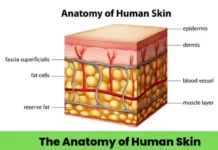
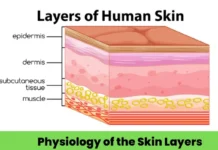
Understanding the structure of the epidermis can illuminate its functions. It consists of five layers, each playing a unique role:
Each layer contributes to the overall function, ensuring your skin can withstand daily challenges.
How Does the Epidermis Renew Itself?
This renewal process, known as keratinocyte turnover, is vital for skin health. As new cells are generated in the basal layer, they gradually move upwards, transforming into a tough barrier over approximately four weeks. This cycle is essential for healing and maintaining youthful skin.
It’s important to note that this renewal process slows down with age. In your twenties, everything is running smoothly, but by your forties, you might notice that your skin feels duller and takes longer to recover from damage. Supporting this natural cycle is essential—gentle care is often more effective than aggressive treatments.
The Connection Between the Epidermis and Your Skin Barrier
Your skin barrier is primarily located within the epidermis, specifically in the stratum corneum. When we discuss a «damaged barrier,» we refer to this critical layer. A healthy barrier retains moisture and keeps irritants at bay. Conversely, a compromised barrier can lead to various skin problems, including dryness, redness, and even breakouts.
Have you ever experienced sensitivity to products that previously worked well? That’s often a sign that your epidermis needs support. It’s a common misconception that more is better when it comes to skincare. In reality, over-treating your skin can do more harm than good.
Common Mistakes That Can Harm the Epidermis
Many people unknowingly damage their epidermis by making a few common mistakes:
These errors can lead to what some call “skin exhaustion.” It’s not just about using the latest active ingredients; sometimes, less is more.
How to Effectively Support Your Epidermis
To nurture your epidermis, focus on protecting its barrier. Here are some key tips:
By prioritizing these practices, you can fortify your skin’s defenses and maintain its health over time.
Frequently Asked Questions About the Epidermis
What is the main function of the epidermis?
The epidermis primarily protects the body from external threats while retaining moisture, continually renewing itself for optimal skin health.
How does the epidermis contribute to skin health?
It acts as a barrier, protects against environmental damage, and helps maintain hydration, making it essential for healthy skin.
What happens during the epidermis’ renewal process?
New skin cells are generated in the basal layer and migrate to the surface, hardening and eventually shedding in a continuous cycle.
How many layers make up the epidermis?
The epidermis consists of five layers: stratum basale, stratum spinosum, stratum granulosum, stratum lucidum, and stratum corneum, each with specific roles.
Why is the epidermis crucial for addressing skin concerns?
Most skin issues stem from a compromised epidermal barrier. Protecting and supporting this layer is key to achieving healthier skin.
Understanding the vital functions of the epidermis can lead to more informed skincare choices. By treating this layer with the respect it deserves, you can enhance your skin’s health and resilience. So, next time you reach for a product, ask yourself: Is this supporting my skin’s barrier? If so, you’re on the right track!