


















Imagine stepping into the fascinating world of skincare, where every detail of your skin tells a story. You’re about to explore the essential art of skin analysis, a crucial skill for anyone involved in the beauty industry. Have you ever wondered how professionals identify specific skin needs? This article will equip you with the knowledge to decode the secrets behind effective skincare, offering insights into hydration, texture, acne, and sun damage. Get ready to elevate your understanding of skin health and empower yourself as you embark on this enlightening journey.
The Significance of Skin Analysis
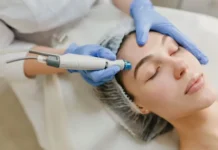
Understanding your client’s skin is vital. Skin analysis acts like a roadmap, guiding you through your client’s unique concerns and helping you create targeted solutions. By observing their skin closely, you can uncover issues that may not be immediately visible. This process also allows you to gather information about their lifestyle and specific skin goals. The better the analysis, the more customized your recommendations can be, leading to more effective treatments.
Empowering Professionals in Skincare
At the heart of skincare education is the mission to empower estheticians. By providing access to a variety of resources, including free ebooks on different skin conditions, you can enhance your understanding and skills. These tools will help you feel more confident in nurturing your clients’ skin, enabling you to foster lasting relationships based on trust and expertise.
Decoding the Skin Analysis
Hydration: The Key to Vibrant Skin
Let’s start with hydration. It’s the cornerstone of healthy skin. Gently lifting the skin on your client’s cheek can reveal moisture levels. If you observe horizontal lines, it may indicate dehydration. Suggesting topical humectants, such as hydrating serums, can significantly improve their skin’s moisture balance.
Texture: Insights into Skin Conditions
Next, pay attention to texture. Is the skin rough or inflamed? Does it show signs of sensitivity, or perhaps excessive oiliness? Each texture tells a story about the skin’s condition. Identifying these characteristics can guide your clients toward the right products for their specific needs.
Understanding Acne: A Comprehensive Approach
For clients dealing with acne, it’s essential to take a nuanced approach. Understanding the different grades and types of acne will enable you to create tailored treatment plans. Free resources are available to guide you through this complex terrain, ensuring your clients receive the best care possible.
Addressing Sun Damage: A Proactive Stance
Sun damage is one of the most prevalent skin issues, manifesting as age spots, melasma, and uneven skin tone. During your analysis, look for signs such as:
It’s crucial to assess the extent of these issues, as they can inform your treatment recommendations. If you notice signs of solar keratosis, encourage your client to seek medical advice for further evaluation.
Harnessing Knowledge for Client Transformation
Having explored the intricacies of facial analysis, you now possess valuable insights into skin health. By recognizing signs of dehydration, texture issues, acne, and sun damage, you can create personalized treatment plans that truly resonate with your clients. Remember, as an esthetician, you have the power to unlock the potential of each individual’s skin, guiding them toward a radiant and confident future. Your knowledge and expertise are the keys to transforming lives, one face at a time.