
















Have you ever stopped to consider just how much your skin does for you? This incredible organ is not just a protective barrier; it plays numerous roles vital to your overall well-being. Understanding the anatomy and physiology of your skin can empower you to make better choices for your skincare routine. In this article, we’ll dive deep into the layers of skin, their functions, and how they contribute to your health. Are you ready to discover the secrets beneath your skin?
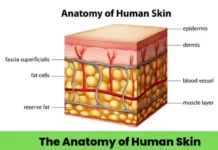
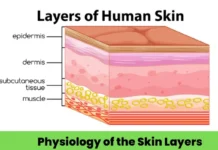
Your skin is the largest organ in your body and deserves your attention. It consists of three main layers, each with distinct roles: the epidermis, dermis, and subcutaneous layer. Together, these layers not only protect but also sense, regulate temperature, and renew themselves. Let’s break them down for a clearer understanding.
Understanding Skin Structure: The Basics
Your skin is a crucial component of the integumentary system, which also includes your hair, nails, and glands. Covering approximately 2 square meters and constituting around 16% of your body weight, it varies in thickness and texture across different regions. For instance, the skin on your eyelids is delicate, while the soles of your feet are thicker to withstand pressure. This complexity is what makes your skin an exceptional organ.
Understanding its layers is essential, as each one plays a specific role in maintaining your skin’s health. Let’s unpack these layers one by one.
The Epidermis: Your Skin’s First Line of Defense
The epidermis is the outermost layer, acting as a shield against external aggressors. Its primary role is to form a waterproof barrier that keeps moisture in and harmful substances out. Within this layer, you’ll find melanocytes, which produce melanin—the pigment responsible for your skin color.
Interestingly, the epidermis is also where skin renewal occurs. New cells are generated at the base and take about 28 days to reach the surface, where they eventually shed. This natural process, known as desquamation, slows down as you age, making regular exfoliation increasingly important. Curious about how to care for this layer? Proper hydration and gentle exfoliation can make a significant difference.
The Dermis: The Engine Room of Your Skin
Just beneath the epidermis lies the dermis, often referred to as the “true skin.” This layer is vital for your skin’s texture and elasticity. It contains essential structures like collagen and elastin, which contribute to your skin’s firmness and bounce.
The dermis is also home to nerve endings and lymphatic vessels, allowing you to feel sensations such as touch, pain, and temperature changes. It’s also responsible for the skin’s aging process. As we age, the collagen and elastin fibers break down, leading to sagging and wrinkles. Interested in keeping this layer healthy? Incorporating products rich in collagen-boosting ingredients can help maintain its integrity.
The Subcutaneous Layer: Your Skin’s Cushion
The deepest layer, known as the subcutaneous layer or hypodermis, mainly consists of fat and connective tissue. This layer serves multiple purposes: it provides cushioning for your internal organs, regulates body temperature, and stores energy. As you age, this fat layer can thin, leading to a loss of fullness and elasticity in your skin.
Moreover, the subcutaneous layer helps maintain your skin’s overall structure, acting as a support system for the layers above. If you’re noticing changes in your skin’s appearance, this layer could be a key factor. A balanced diet and hydration can help support its health.
The Benefits of Healthy Skin: What It Does For You
Recognizing the functions of your skin can change how you approach your skincare. Here’s a quick look at what your skin does for you daily:
- Protection: Acts as a barrier against harmful bacteria and pollutants.
- Temperature Regulation: Maintains your body temperature through sweat and blood flow.
- Detoxification: Eliminates waste via sweat.
- Vitamin D Synthesis: Converts sunlight into Vitamin D, essential for bone health.
- Moisturization: Produces lipids that keep your skin hydrated.
- Sensation: Allows you to feel touch, pain, and temperature changes.
- Absorption: Facilitates the absorption of topical treatments.
- Repair: Constantly renews itself, especially during rest.
- UV Defense: Produces melanin to protect against sun damage.
Your skin is not just a physical barrier; it’s a reflection of your internal health. Changes in your skin can signal issues like dehydration or hormonal imbalances. Are you paying attention to what your skin is trying to tell you?
Frequently Asked Questions About Skin Anatomy
What does the anatomy and physiology of the skin entail?
It encompasses the structure and functioning of the skin, which consists of three primary layers: the epidermis, dermis, and subcutaneous layer.
Is skin classified as an organ?
Absolutely! Your skin is the largest organ, constituting about 16% of your body weight and covering nearly 2 square meters.
How many layers does human skin have?
Human skin is made up of three main layers: the epidermis (outer), the dermis (middle), and the subcutaneous layer (innermost).
How long does the skin take to renew itself?
Typically, it takes around 28 days for skin cells to migrate from the base of the epidermis to the surface, where they then shed. This natural cycle slows with age.
Now that you know more about the anatomy and functions of your skin, you can make informed decisions. Remember, your skin is working hard for you every day. Treat it well, and it will reciprocate!