
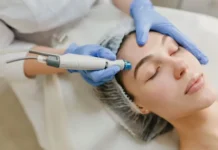



















Want to enhance your skincare routine and achieve the best possible results? Understanding your skin is crucial, and that begins with a thorough skin assessment. Whether you’re struggling with persistent acne, unwanted pigmentation, or just want to refine your skincare regimen, knowing how to evaluate your skin is key. As an esthetician or someone simply eager to learn, having a solid framework for skin assessments will empower you to make informed decisions for yourself or your clients.
In this article, we’ll explore the importance of skin assessments, the essential areas to cover during evaluations, and the questions you should be asking. By the end, you’ll be equipped with the knowledge to improve your skin health or provide better guidance to your clients.
The Importance of Conducting Skin Assessments
A detailed skin assessment lays the groundwork for safe and effective skincare treatments. Your skin interacts with various factors, both internal and external, which can significantly influence its health and appearance. For instance, habits like smoking or dietary choices can affect treatment outcomes.
Furthermore, medical conditions such as diabetes or hormonal imbalances can alter your skin’s ability to heal. By performing a comprehensive assessment, you can identify these factors and customize treatments accordingly. This not only protects the skin’s integrity but also ensures that you and your clients are making informed choices about skincare.
What to Cover in a Skin Assessment
An effective skin assessment must encompass several vital areas:
- Visual Evaluation: Take a close look at the skin’s current condition.
- Medical History Review: Discuss any past treatments, allergies, or ongoing medications.
- Lifestyle Factors: Inquire about diet, hydration levels, and sun exposure.
- Expectations: Ensure clear communication regarding treatment goals.
Additionally, documenting the skin’s baseline condition through photographs can be invaluable for future reference. Always discuss the Fitzpatrick skin type, as this will help determine the suitability of certain treatments.
Essential Questions for Skin Assessments
When assessing skin, consider asking the following questions:
Skin Type and Current Condition
How would you describe your skin type and any specific concerns you have?
Specific Skin Issues
Are you experiencing any specific conditions like acne, redness, or sensitivity?
Dark Circles Under Eyes
Have you noticed any changes around your eyes? Dark circles can indicate underlying health issues.
Skin Care Routine
What products are you currently using on your skin?
Previous Treatments
What treatments have you undergone in the past? Understanding previous experiences can guide future choices.
Factors Affecting Skin Health
Many intrinsic and lifestyle factors can directly impact skin condition:
Diet and Hydration
What does your diet look like? Are you drinking enough water? Both are vital for skin health.
Medical History
Do you have any significant medical conditions or allergies? This information is crucial for safe treatment planning.
Stress Levels
How do you manage stress? Chronic stress can lead to skin issues like breakouts and premature aging.
Hormonal Changes
Are there any hormonal imbalances affecting your skin? Discussing these can provide insight into treatment suitability.
Preparing for Treatments
Before undergoing any advanced treatment, consider these preparatory steps:
- Discontinue Certain Products: Stop using strong active ingredients like retinoids a few weeks prior.
- Sun Protection: Avoid sun exposure and prioritize sunscreen to protect skin health.
- Avoid Hair Removal: Refrain from waxing or other methods close to treatment dates.
These precautions can significantly enhance the effectiveness of your treatments and reduce the risk of complications.
Understanding Client Needs
If you’re an esthetician, your role is to understand your clients’ unique needs. Ask about their concerns and listen actively. By doing so, you not only build trust but also ensure that your proposed treatments align with their goals.
Ultimately, a well-structured skin assessment isn’t just a formality; it’s an essential tool for delivering personalized, effective skincare.