

















Have you ever stopped to think about what really lies beneath your skin? It’s easy to overlook the layers that play a crucial role in how we look and feel. One such layer, often forgotten, is the subcutaneous fat layer. This layer not only provides warmth and cushioning but plays a vital role in skin health and appearance. Curious about how it impacts your skin as you age? Let’s dive into this fascinating topic and uncover the secrets of the hypodermis.
In this article, we’ll explore the subcutaneous fat layer, its functions, how it changes with age, and why it is essential for your skin’s overall health. By the end, you’ll have a deeper understanding of why this layer matters so much and how it influences your skin’s appearance.
What Is the Subcutaneous Fat Layer?
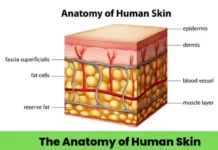
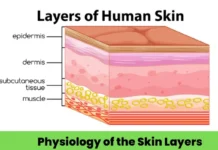
The term “subcutaneous” literally means “under the skin,” and that’s precisely where you’ll find it. This innermost layer of skin sits beneath the dermis and epidermis, forming a protective cushion. Composed mainly of fat cells, connective tissue, and elastic fibers, the hypodermis varies in thickness across different areas of your body. For instance, it is thicker in regions like your abdomen and thighs, while it’s considerably thinner around the eyelids and lips.
Moreover, this layer is more than just fat; it houses blood vessels, nerves, and lymphatic systems, all of which play a pivotal role in delivering nutrients and maintaining skin health.
Functions of the Subcutaneous Fat Layer
You might be surprised by how much this hidden layer contributes to your well-being. Here are some of its key functions:
Interestingly, the distribution of subcutaneous fat can vary significantly between men and women, largely influenced by hormonal changes throughout life.
How It Changes With Age
As you grow older, you may notice changes in your skin’s texture and firmness. One underlying reason is the gradual thinning of the subcutaneous fat layer. This loss can lead to a decrease in skin fullness and an increase in sagging, making it essential to understand how age affects this layer.
With the reduction of cushioning, you might also become more prone to bruising and injuries. So, while you might focus on topical treatments, remember that true skin health starts from within the deeper layers. Supporting the integrity of your skin’s structure is crucial, even if you can’t restore fat through skincare alone.
Why It Matters for Your Skin
The subcutaneous fat layer is more than just a cushion; it serves as a crucial link between your skin and the tissues beneath. A healthy layer contributes to a vibrant, youthful complexion. As it thins with age, it can become apparent on the skin’s surface, affecting your overall appearance.
Understanding this layer can change your perspective on skincare. Instead of merely treating the surface, consider how you can support the structures beneath. A balanced diet and proper hydration can play significant roles in maintaining a healthy subcutaneous layer, ultimately reflecting on your skin.
Frequently Asked Questions
What is the subcutaneous fat layer?
It’s the deepest layer of skin, often called the hypodermis. This layer consists largely of fat cells and connective tissue, providing insulation and cushioning while supporting the skin above.
What are the primary functions of the subcutaneous layer?
This layer is responsible for insulation, shock absorption, energy storage, temperature regulation, and delivering nutrients to the skin.
How does aging affect the subcutaneous fat layer?
With age, the body tends to lose subcutaneous fat, which can lead to sagging skin and reduced insulation, impacting how your skin looks and feels.
Is the subcutaneous layer the same as the hypodermis?
Yes, the terms «subcutaneous layer» and «hypodermis» refer to the same innermost layer of skin situated beneath the dermis.
Why is the subcutaneous fat layer significant for skin health?
It plays a crucial role in maintaining skin firmness, texture, and overall appearance, connecting the dermis to the underlying muscles and bones.
By understanding the importance of the subcutaneous fat layer, you can take proactive steps to maintain your skin’s health and appearance as you age.