










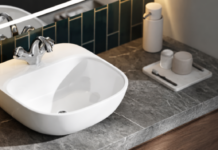









A faucet might seem like a minor detail in your kitchen or bathroom, yet it plays a crucial role in your daily routines. Think about it: from washing your hands to rinsing dishes, faucets are used multiple times throughout the day. With a wide array of styles, shapes, and functionalities available, choosing the right faucet can be overwhelming. How do you know which one suits your needs? In this article, we will explore the various types of faucets, their unique features, and how to select the perfect one for your space. Get ready to dive into the world of faucets!
Understanding the Function of a Faucet
At its core, a faucet is a device that manages the flow of water. It allows you to turn water on and off, and many models even let you control the temperature. While some faucets have a single outlet, others are designed to mix hot and cold water. When selecting a faucet, consider both its functionality and its compatibility with your sink or basin. For instance, a kitchen faucet typically requires a longer spout compared to one used in a small wash basin.
Exploring Various Faucet Types
Not all faucets are created equal. Here’s a closer look at some common types you might consider for your home:
1. Pillar Taps
Pillar taps are classic fixtures often found in traditional homes. You’ll usually find them in pairs—one for hot water and another for cold. Their straightforward design makes them easy to use, making them a great option for wash basins in more traditional settings.
2. Basin Mixer Taps
If you prefer a modern touch, basin mixer taps combine hot and cold water through a single fixture. They usually come with one or two handles to adjust the water flow and temperature. Their sleek design makes them a popular choice for contemporary bathrooms, and you can find them in various finishes to match your aesthetic.
3. Wall-Mounted Faucets
Wall-mounted faucets are attached directly to the wall rather than the sink. This design offers a minimalist look and can free up counter space. However, proper plumbing is essential, so make sure to plan the installation carefully.
4. Single-Lever Faucets
Single-lever faucets allow you to control both water flow and temperature with just one handle. They are user-friendly and ideal for busy kitchens and bathrooms. Their straightforward design blends well with various interior styles.
5. Pull-Out and Pull-Down Faucets
These faucets are primarily seen in kitchens, featuring flexible spray heads. Pull-out faucets allow you to extend the spray head toward you, while pull-down faucets let you bring the spray head down into the sink. Both designs make tasks like rinsing vegetables and cleaning dishes much easier.
How to Select the Right Faucet for Your Bathroom
Choosing a bathroom faucet goes beyond just aesthetics; you need to ensure it fits your basin and plumbing setup. Start by examining your basin to determine the number of tap holes. Consider the height and reach of the spout as well—water should flow comfortably into the basin without splashing.
For a modern vibe, you might opt for a sleek mixer or wall-mounted design. If your style leans more traditional, pillar taps could be the way to go.
Best Faucet Options for a Wash Basin
When selecting a faucet for a wash basin, both pillar taps and basin mixers are solid choices. Basin mixers are particularly convenient since they offer both hot and cold water from a single outlet. On the other hand, pillar taps are suitable for basins designed with separate holes. Ultimately, your choice should align with your basin’s design and your personal style.
Choosing the Right Faucet for the Kitchen
In the kitchen, your faucet will face different demands. You may need to fill large pots or wash bulky dishes, so the faucet’s height and reach are important. Look for designs that provide ample space for comfortable use, and consider options with flexible spray heads for added convenience.
Faucet Design Considerations
The visual appeal of a faucet is vital, especially when designing a new space. Various finishes are available, with chrome being a popular choice for its bright look. Matte black and brushed finishes can also create a unique style. Ensure that your faucet complements other fixtures in the room; you don’t need everything to match perfectly, but a cohesive look can enhance the overall aesthetic.
Key Questions for Choosing the Ideal Faucet
Before settling on a faucet, ask yourself a few essential questions:
Thinking through these questions will simplify your faucet selection process.
Installation Matters
Even the best faucet won’t function correctly if it’s not installed properly. Check your plumbing connections before making a purchase to ensure compatibility. If you’re considering a wall-mounted model, plan the plumbing layout carefully, as placement is crucial. When in doubt, hiring a qualified plumber can save you time and potential headaches.
Which Faucet Is Right for You?
There’s no one-size-fits-all answer to selecting a faucet. For a wash basin, a basin mixer or pillar tap might suit your needs, while a kitchen faucet should emphasize height and reach for ease of use. Aim to prioritize functionality first, with design following closely behind. When both elements align, you’ll find that your faucet enhances your space and daily activities.