










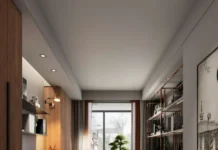









In the world of design, there exists an art form that transcends the need for flashy elements or loud declarations. This subtlety, often referred to as minimalism, speaks volumes without uttering a single word. How often do you find yourself drawn to a space that feels calm and uncluttered? Such environments create a sense of peace and clarity, allowing us to focus on what truly matters. In this article, we will explore the principles of minimalist design, its benefits, and how you can integrate this approach into your own living or working spaces.
Minimalism isn’t just about reducing clutter; it’s a philosophy that emphasizes quality over quantity. By the end, you’ll understand why this design approach has gained popularity and how you can apply these principles effectively. Are you ready to transform your environment into a serene haven? Let’s dive in!
The Essence of Minimalist Design
Minimalist design revolves around the idea of simplicity. It encourages you to strip away the unnecessary to reveal the essential. This approach often features clean lines, neutral colors, and a focus on functionality. When you enter a minimalist space, you immediately sense a calmness that can be quite refreshing.
- Functionality is key: Every piece should serve a purpose.
- Emphasis on space: Open areas create a feeling of freedom.
- Quality materials: Invest in fewer, high-quality items rather than many low-quality ones.
By embracing these principles, you can create an environment that not only looks good but also feels good.
Benefits of Adopting Minimalism
Why should you consider minimalism for your home or workspace? The advantages are numerous and impactful. Not only does a minimalist space look appealing, but it can also enhance your overall well-being.
- Reduces stress: A clutter-free environment can lead to a clearer mind.
- Increases productivity: Fewer distractions allow you to focus better.
- Saves time: Less clutter means less time spent cleaning and organizing.
Imagine walking into a room that invites tranquility. This is the power of minimalism.
How to Implement Minimalist Design in Your Space
Ready to embrace this design ethos? Start small. You don’t need to overhaul your entire home at once. Here are some practical steps you can take:
- Declutter: Begin by removing items you no longer need or use.
- Choose a neutral palette: Opt for colors that promote calm and peace.
- Select multifunctional furniture: Pieces that serve more than one purpose can save space.
As you make these changes, pay attention to how they affect your mood and mindset. You might be surprised by the positive impact of a simplified environment.
Common Misconceptions About Minimalism
Despite its growing popularity, minimalism is often misunderstood. Many people think it means living in stark, empty spaces, but that couldn’t be further from the truth.
- It’s not about deprivation: Minimalism is about enhancing quality, not just cutting back.
- Style is subjective: You can still express your personality within a minimalist framework.
- It’s not just for certain lifestyles: Anyone can adopt minimalist principles, no matter their circumstances.
Understanding these misconceptions can help you appreciate the true essence of minimalist design.
Embracing Minimalism for a Balanced Life
Ultimately, minimalism is more than just a design choice; it’s a lifestyle that promotes clarity and intentionality. By simplifying your space, you can create a more balanced life. So, why not start today? Consider the spaces around you and think about how you can apply these minimalist principles.
Every small change can lead to a more harmonious environment, allowing you to focus on what truly matters.